
[Date: September 18, 2025]
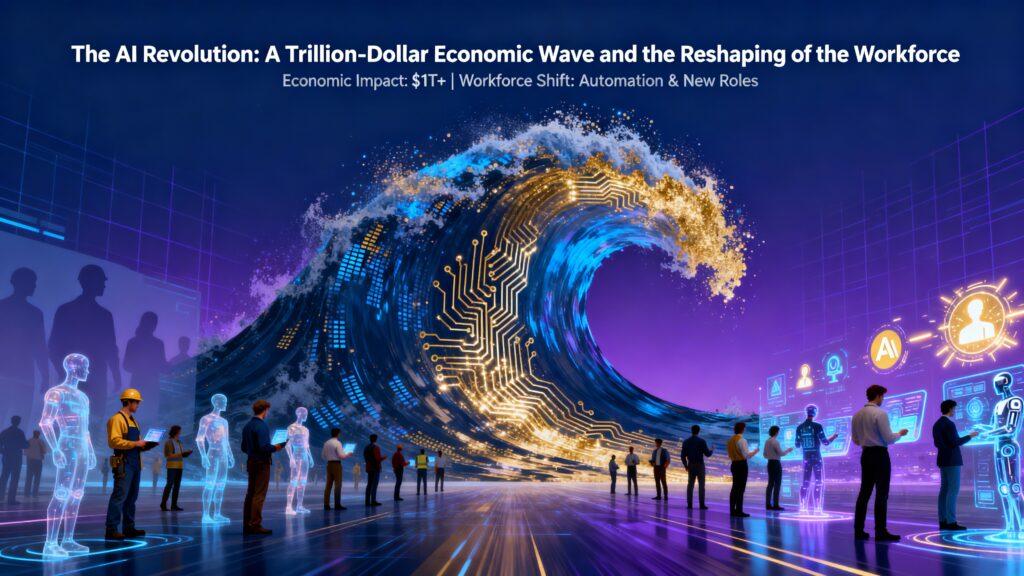
Artificial intelligence is not just a technological buzzword; it’s a transformative economic force poised to create trillions in new value while fundamentally reshaping the global workforce. Recent reports from major financial and international organizations highlight the immense potential for AI to drive unprecedented growth in trade, GDP, and corporate valuation, signaling a new era of productivity and disruption.
The AI-Powered Economic Boom
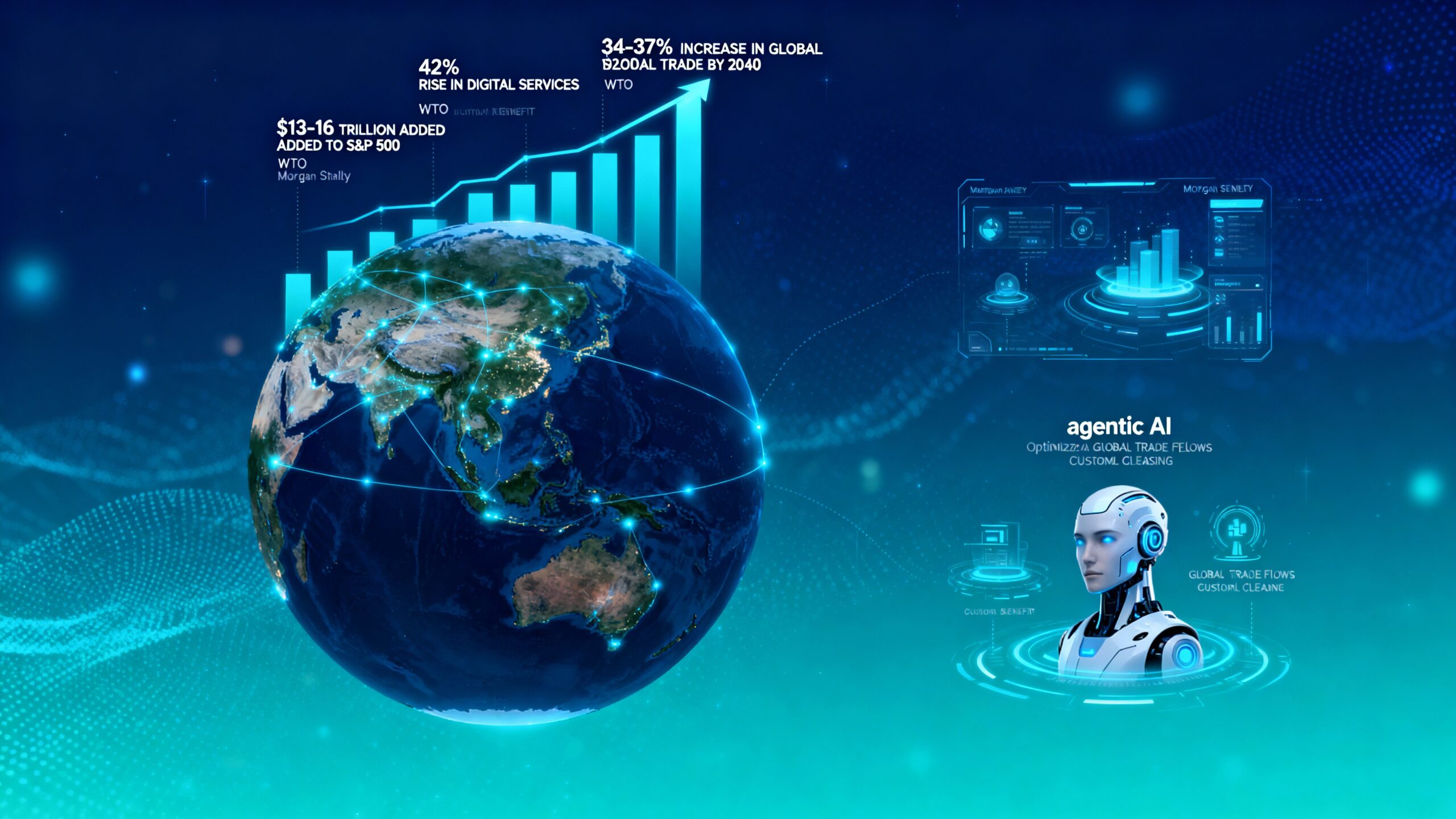
A new report from the World Trade Organization (WTO) forecasts that the development and deployment of AI could lead to a significant increase in global trade by 34-37% by 2040. This growth is largely driven by a projected 42% rise in digitally deliverable services, including AI services themselves. The report, which also predicts a global GDP increase of 12-13%, notes that AI tools are already enhancing trade efficiency by automating customs clearance and improving supply chain visibility.
This economic optimism is echoed by a Morgan Stanley Research report, which estimates that full-scale AI adoption could add an astounding $13 to $16 trillion to the market capitalization of the S&P 500 alone. This value is expected to come from both “agentic AI”—which can make decisions and execute tasks with minimal human oversight—and “embodied AI,” such as humanoid robots. According to the report, AI could deliver an annual net benefit of around $920 billion to S&P 500 companies.
A Shifting Job Market and New Opportunities
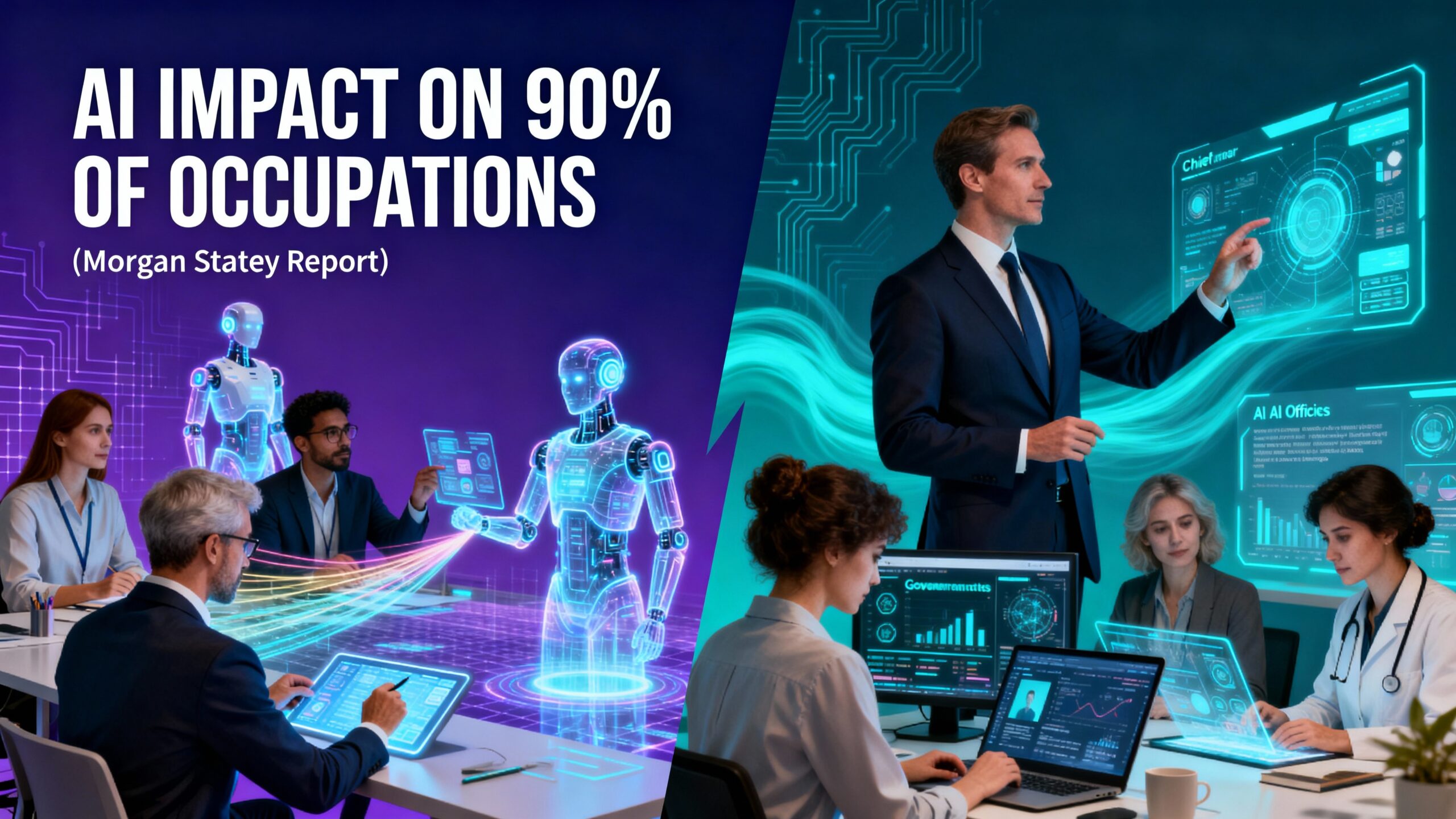
While the economic gains are massive, they are also accompanied by a profound shift in the job market. The Morgan Stanley report suggests that AI could impact nearly 90% of occupations. However, experts and economists are quick to point out that this doesn’t necessarily mean widespread job displacement. Instead, the focus is on a new balance between human and machine labor, with AI augmenting existing roles and creating entirely new ones.
Companies are already adapting by creating new leadership positions, such as Chief AI Officer, to oversee AI adoption and strategy. The demand for new roles in data governance, compliance, and information security is also expected to grow. This dynamic signals that the future of work will not be about replacing humans, but about empowering them with more efficient and effective tools.
Breakthroughs in Social and Healthcare Applications
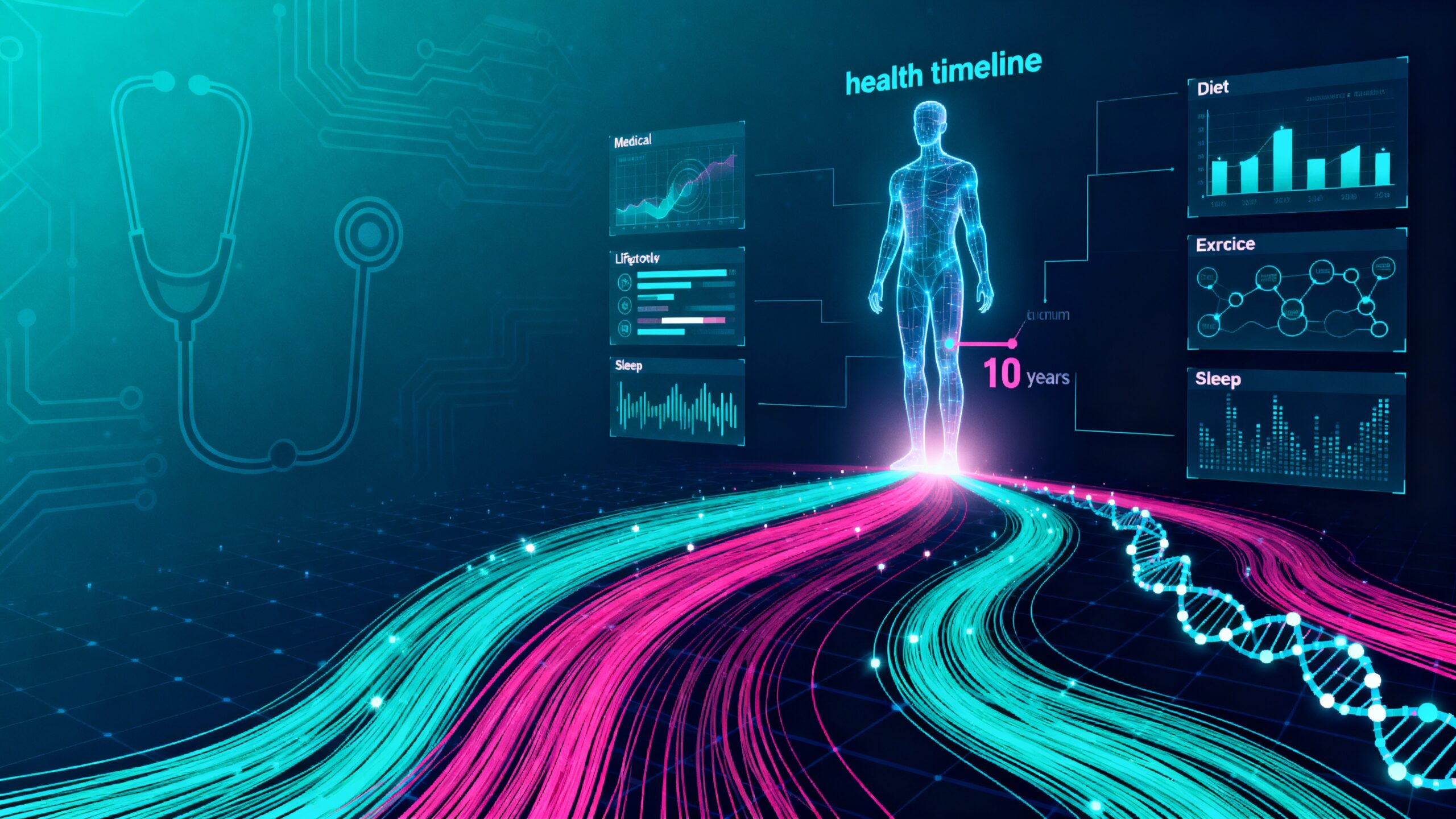
Beyond the economy, AI is also making significant strides in areas with direct social impact. A new generative AI tool, developed by experts from the European Molecular Biology Laboratory and other research centers, can predict a person’s risk of developing over 1,000 diseases up to a decade in advance. Published in the journal Nature, this tool analyzes medical events and lifestyle factors from a patient’s history to forecast potential health outcomes. This breakthrough could revolutionize personalized healthcare, helping clinicians and patients proactively manage health risks and make more informed decisions.